
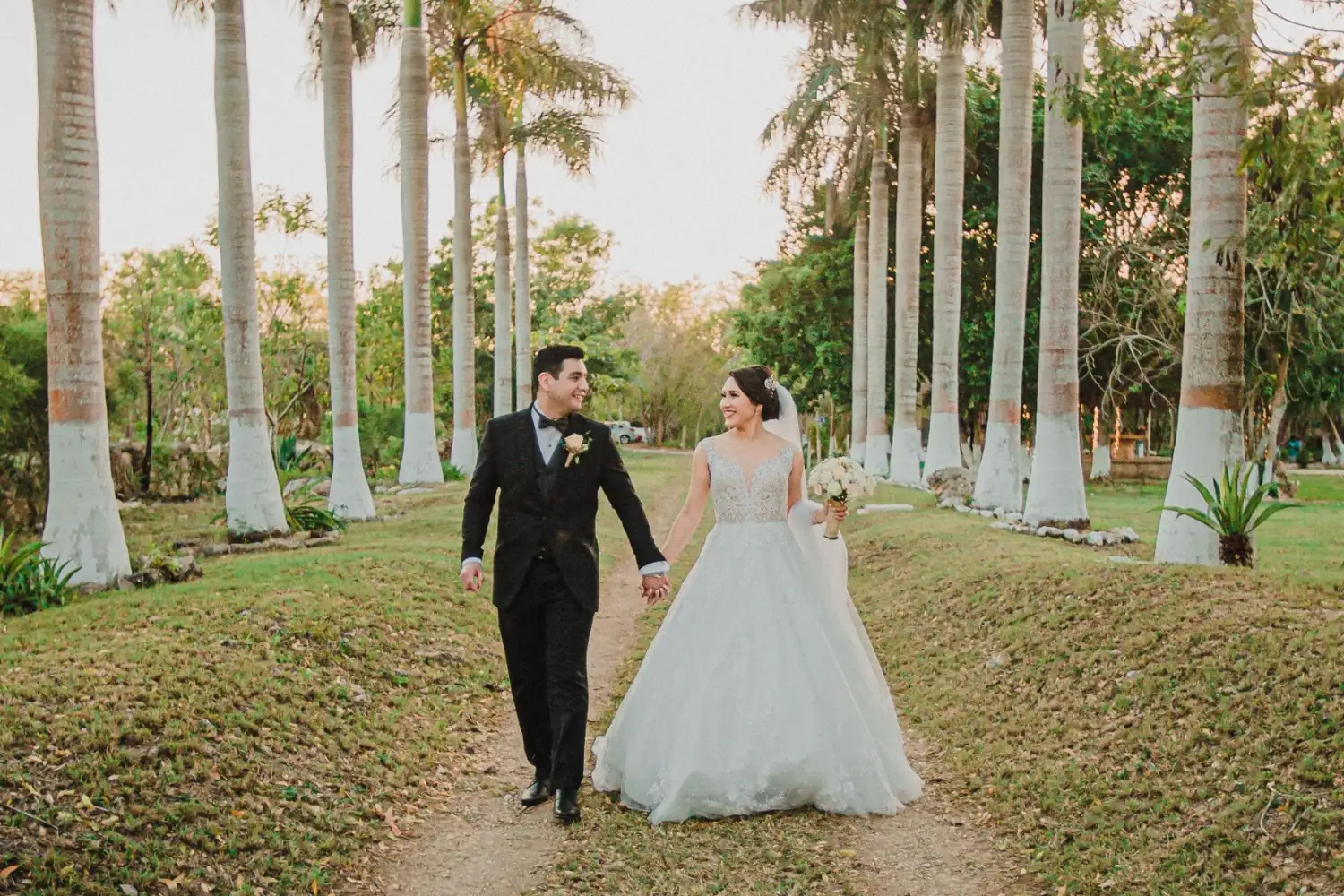
A destination wedding is a holiday and a wedding at once. Your guests travel, stay for a few days and spend real time together, which is exactly why so many couples choose one. It also means more moving parts than a wedding at home: flights, rooms, a weekend of events and guests who all need the same information.
This guide walks through the planning in the order it usually happens, from choosing where to go to the week of the wedding.
1. Decide what kind of wedding you want
Before you look at places, agree on the feel. A long lunch at a villa for thirty people is a different wedding from a three-day celebration for a hundred and fifty. The size and the mood narrow down everything else: where you can go, what kind of venue fits and how much help you'll need.
Talk about how long you want it to last too. Many destination weddings run over a weekend, with welcome drinks the night before and a relaxed brunch the morning after.
- Roughly how many guests
- One day or a whole weekend
- Formal or relaxed
- Beach, countryside, city or mountains
- Which months work for you and your closest family
2. Choose where
Think about your guests as well as the setting. A place with a direct flight from where most of them live will get more yeses than one with two connections. Look at the weather in the months you're considering, and at what else is happening there: festivals and big events fill hotels and raise prices.
If you love a place, visit before you commit if you can. If you can't, video calls with venues and a planner who knows the area go a long way.
Our destination pages cover when to go, how guests get there and where they stay for popular wedding spots.
3. Set a budget and a guest list together
Your budget and your guest list shape each other, so work on them side by side. Decide early what you'll pay for and what guests cover: travel is almost always theirs, while accommodation is often shared in some way.
Keep the list in households from the start (a couple, a family, a single friend). Invitations, replies and rooms all work in households, so it saves untangling later.
4. Book the venue and the date
The venue usually sets the date. Popular places book a year or more ahead for weekends in the high season, so have a few dates in mind. Ask each venue what's included, whether there are music or curfew limits, what happens if it rains, and whether guests can stay on site.
A venue with rooms, or a villa that sleeps your closest guests, makes the weekend much easier to run.
- What's included in the price, and what isn't
- Music limits and end times
- A wet-weather plan
- Rooms on site, or hotels nearby
- Whether you must use their suppliers
5. Tell guests early
Guests need longer notice for a wedding abroad: they have to book time off, flights and somewhere to stay. Send save the dates as soon as the date and place are fixed, and put up a wedding website at the same time so they have somewhere to look.
A soft RSVP (asking guests how likely they are to come, long before the real invitation) gives you an early guest count to plan rooms and catering around.
6. Sort out where everyone stays
Accommodation is where destination weddings get complicated. Some couples book a villa and share out the rooms, some reserve a block of hotel rooms, and many do both. Decide who pays for what, then give guests a simple way to choose and pay for a room.
Keep a clear list of who is in which room, for which nights. Your venue and hosts will ask for it.
7. Plan the weekend
List every event, with a time, a place and who's invited. Not everyone needs to come to everything: a rehearsal dinner might be family only. Share the schedule, dress codes and transport on your website, and let guests reply to each event separately.
8. Keep everything in one place
The hardest part of a destination wedding isn't any single task, it's keeping them all in step: the guest list, replies, meal choices, rooms, payments and the schedule. When they live in separate spreadsheets and email threads, things slip.
Marrythere keeps them connected. Your website, guest list, RSVPs, events, rooms and guest payments share the same information, so a reply or a room booking shows up everywhere at once.
9. The last few weeks
Chase the last replies, confirm numbers and meal choices with your venue, send the rooming list to your hosts and check transfers for guests arriving on different days. Then share the final schedule and let yourself enjoy the trip.
Plan it all in one place
Marrythere connects your wedding website, guest list, RSVPs, events, rooms and guest payments. Setting it up is free.